Description
How do children understand what expressions mean?
Generally, the Child learns to read the emotions of their family members around them, by relying on the tone of voice, body language, facial expressions, and other external cues. However, experts warn that some children struggle to recognise facial expressions easily, and this can cause learning difficulties, and peer problems. Using a mirror helps children become aware of the emotions they feel, as they view their change of facial expression in the mirror. This helps them to develop empathy, and cognitive skills which in turn help them to read emotions in others, and build relationships.
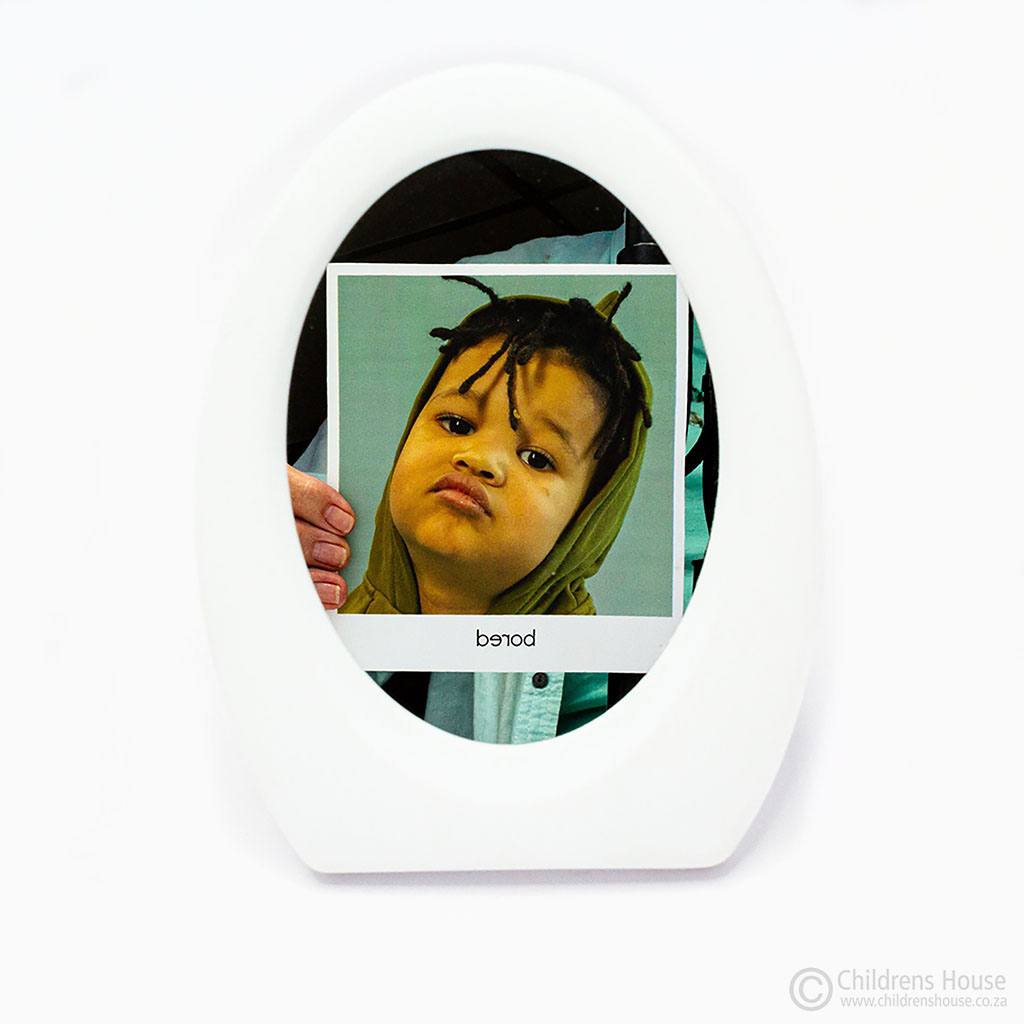
Use the mirror together with the Facial Expression Cards Activity, to help children to recognise, and name the emotion behind their facial expression. Additionally, give the Child something sour, something sweet, etc, while they look in the mirror, they can then see how their face changes with the taste.
Features of the Mirror
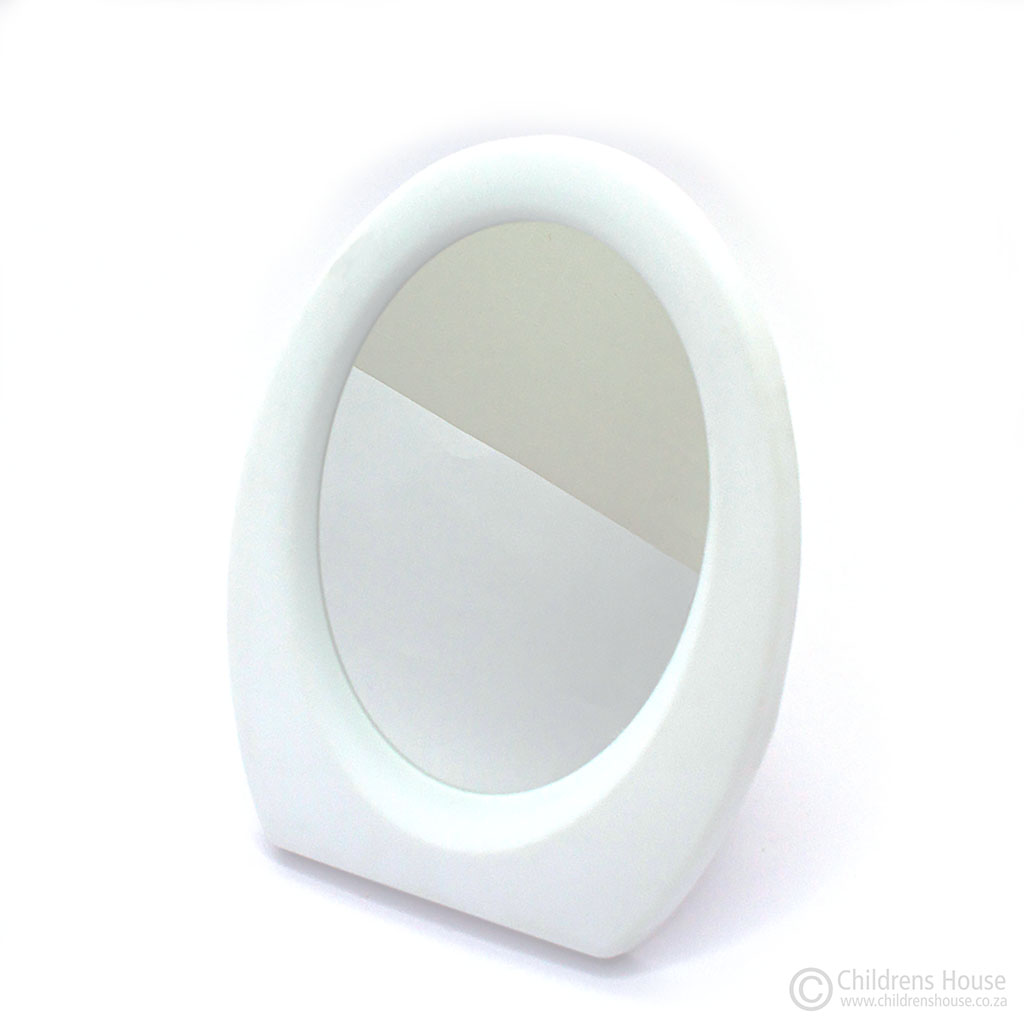
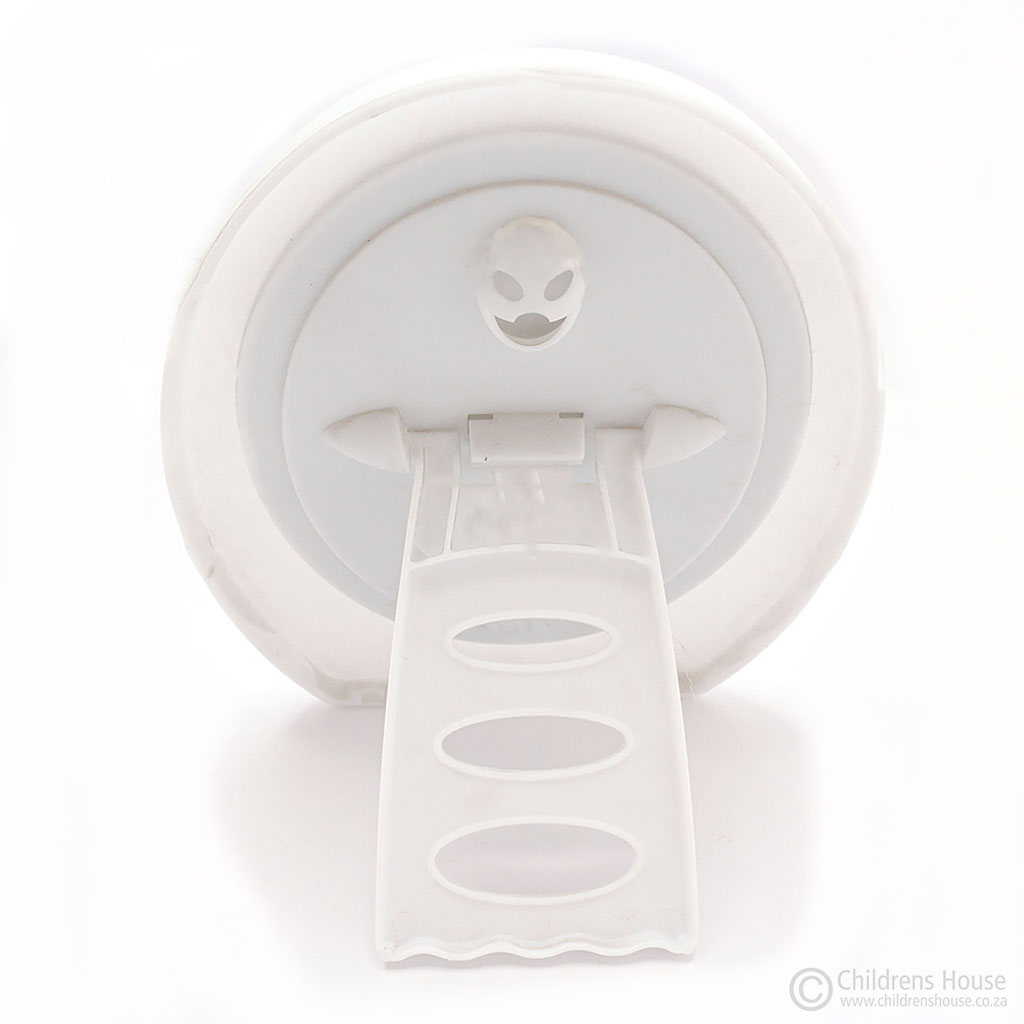
- made of plastic, with a magnet for mounting
- Rectangular Shaped
- Can be laid on a table or on a metal surface
- Picture of mirror may differ to actual product delivered
Dimensions
- 15 cm x 1 cm x 18.5 cm / ( 6″ x ½” x 7¼” )
Related Products
- Let your young one admire themselves with the Infant and Toddler Mirror
- Use the Facial Expression Cards alongside with mirror
- Start to build longer sentences with the Grammar Symbols and their Definitions
Further Reading and Resources:
- Facial Expressions for Kids: Helping children read emotions by Parenting Science
- How to help your child learn to read facial expressions by understood.com


Kiera Flanigan –
nice size.